
4 hr 30 min
Sandwich Harbour & Walvis Bay Desert Adventure
Journey through towering dunes meeting the Atlantic, flamingo lagoons, and remote coastal wilderness
Reserve
Hand-picked by our editors — only the best 5 specialized photography expeditions from 12 reviewed.
Verified partners for every tour, free cancellation where available, and instant confirmation on every booking.
4 hr 30 min
Journey through towering dunes meeting the Atlantic, flamingo lagoons, and remote coastal wilderness
Reserve
4 hr
Experience Namibia's dramatic coastal desert on a thrilling half-day 4x4 journey through dunes and wetlands
Reserve
4 hr
Chase the tide between towering dunes and Atlantic surf to a protected wetland oasis
ReservePrices from verified partners. Availability updates in real time at checkout. Free cancellation policies apply where shown.
The landmarks, rooms, and views travelers on this tour remember — all visible on a single visit.
A freshwater-fed lagoon where reeds and desert sands meet, attracting thousands of migratory birds. The wetland is a critical Ramsar site.
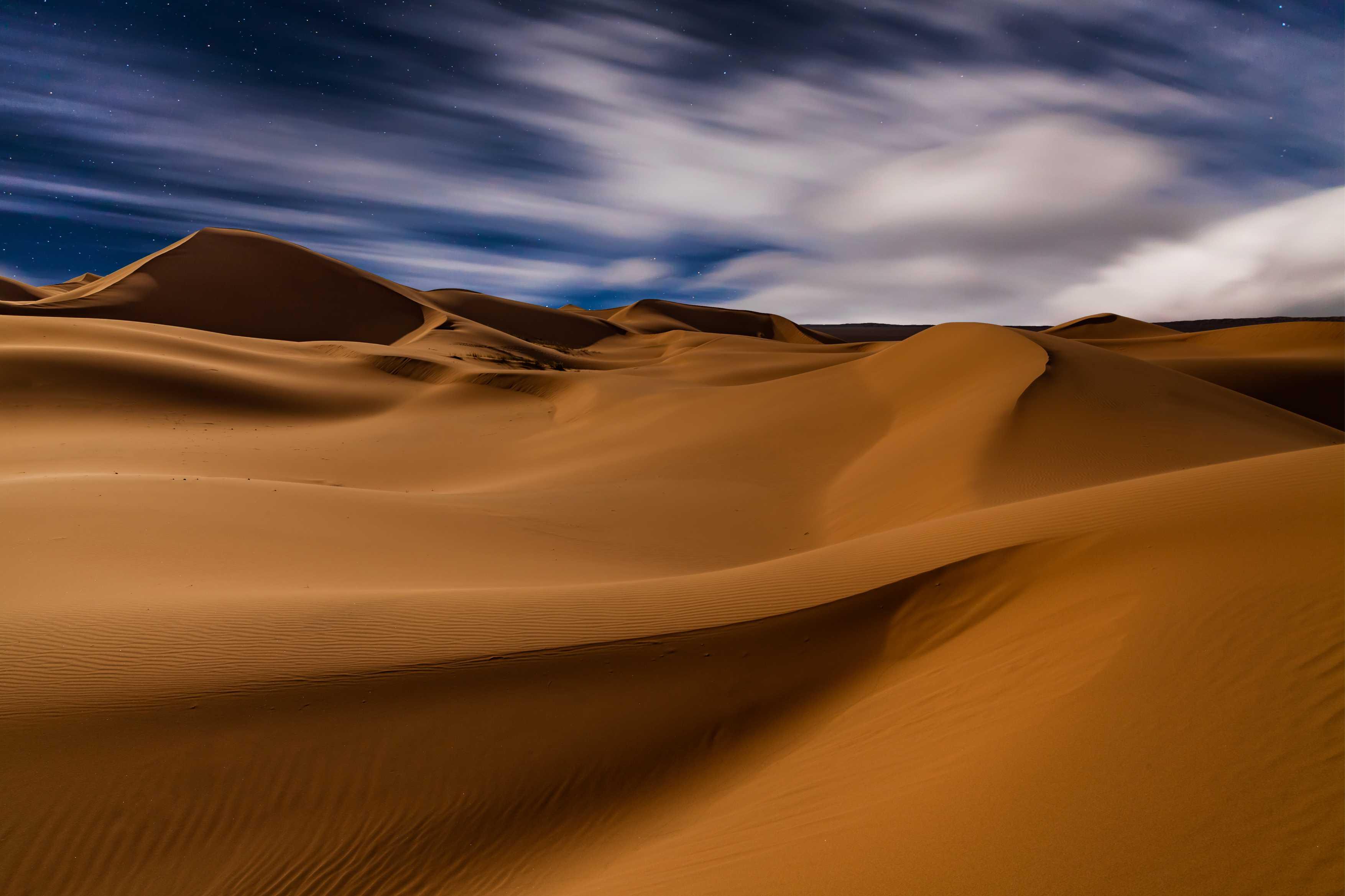
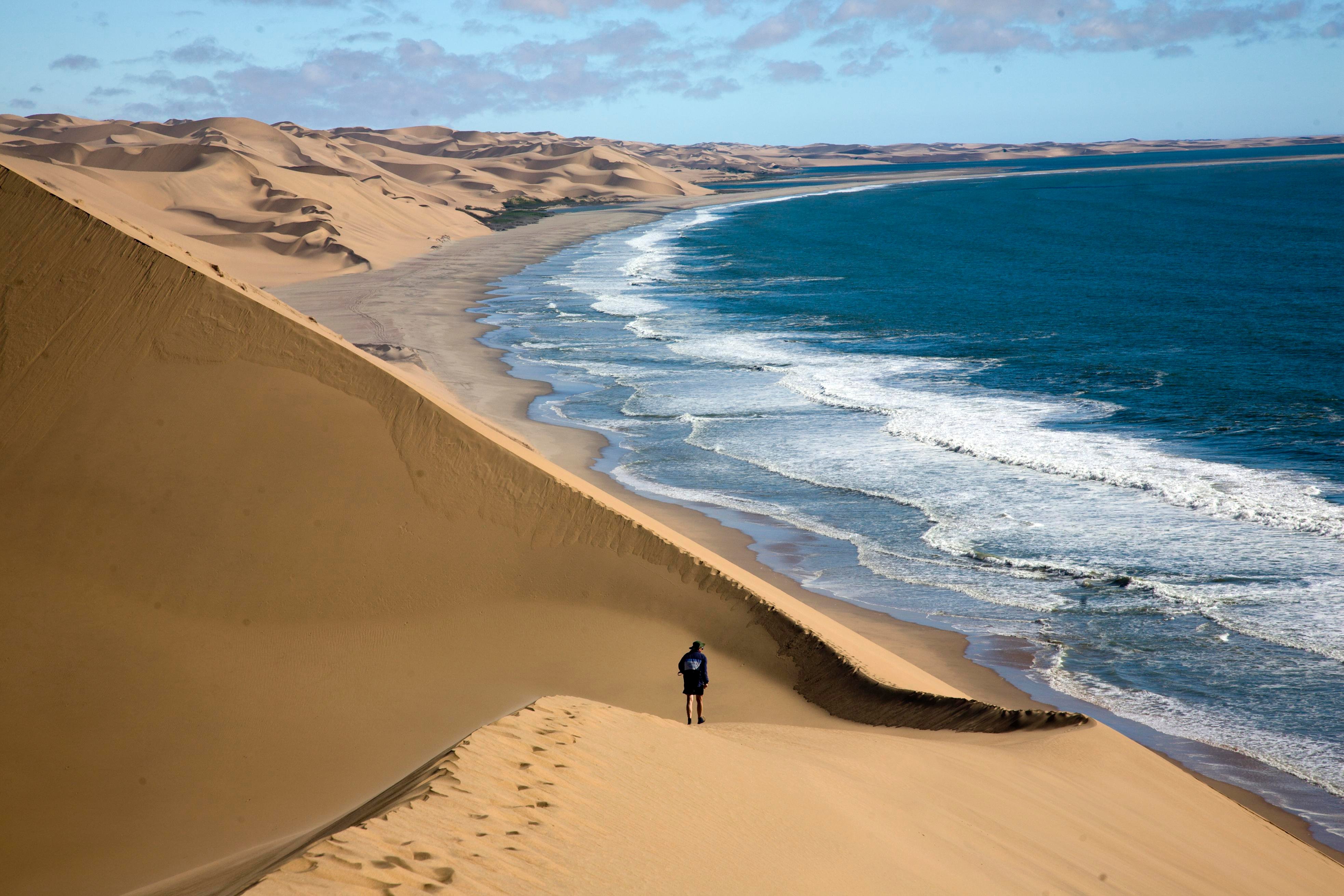
Massive coastal sand dunes exceeding 100 meters in height that drop directly into the Atlantic Ocean. Perfect for silhouettes.
A dry riverbed transition zone frequently visited by oryx and springbok, marking the boundary between the desert and ocean.
The rugged, narrow beach passage where 4x4s navigate between the crashing surf and towering dune bases at low tide.
The expansive solar evaporation ponds known as the Pink Lakes, providing a surreal, colorful foreground for photography.
The sunset experience is superior for dramatic desert landscapes, whereas the morning expedition is more functional for spotting local fauna; most visitors who do both call the evening outing more atmospheric.
| Feature | Top pick Sunset Photography Tour | Morning 4x4 Adventure |
|---|---|---|
Optimal Lighting |
Golden hour to dusk | |
Low-angle morning sunlight;Crowd Levels |
Low to moderate | |
High during peak hours;Wildlife Activity |
High (nocturnal/active) | High (early morning feeding);Color Temperature |
Cool high-contrast blues;Photography Focus |
Long exposure and silhouettes | |
Landscape detail and depth;Temperature |
Moderate cooling desert air | |
| See tickets → |
Verdict: Photographers should book the sandwich harbour sunset photography tour to capture the dunes under shifting light, while those seeking active wildlife encounters benefit from booking the morning sandwich harbour sunset photography tour tours.
Choose your ticket, select your date, and reserve in under two minutes. Secure checkout handled by our verified partner.
Instant confirmation by email, with a mobile voucher you can save offline. No printing, no queuing at a collection desk.
Arrive at the entrance, show your voucher on your phone, and walk in. Most tickets include priority or skip-the-line access.
Practical details for your visit straight from our verified partners — hours, access, rules, and how to get there.
Walvis Bay, Namibia
Standard check-in for tour operators
Rental 4x4s are discouraged for beach access; use guided transport.
Wear comfortable, flat shoes and layers, as coastal winds can make mornings cool while midday desert sun is intense. A windbreaker and closed-toe trail shoes are standard for a sandwich harbour sunset photography tour.
Keep equipment in a small, secure daypack to protect it from pervasive sand during your sandwich harbour sunset photography tour. Use zip-lock bags for lenses and camera bodies.
The sandwich harbour sunset photography tour requires protective gear like rocket blowers to handle fine sand. Golden hour offers the best light for desert silhouettes and dune textures.
The sandwich harbour sunset photography tour is not wheelchair accessible. Participants should have a moderate fitness level for walking on soft sand dunes.
Children are welcome on the sandwich harbour sunset photography tour, but must be able to handle the 4x4 bouncing. Infants are often required to sit on laps.
Most sandwich harbour sunset photography tour bookings include light lunches, snacks, oysters, and sparkling wine. Water is provided, but carrying a reusable bottle is recommended.
Best time to go, insider tips, nearby landmarks, and the cancellation fine print — flip through to skim what matters to you.
How crowds, weather, and events shift across the year.
Clear skies and cooler temperatures for the best sandwich harbour sunset photography tour conditions.
September retains winter clarity, though October begins to warm up.
Hot days with possible coastal fog; less ideal for wildlife photography.
Cooler temperatures and improving conditions for desert exploration.
Small details that turn a good visit into a great one.
Always confirm your sandwich harbour sunset photography tour departure with the operator, as beach access depends strictly on low tide.
Change lenses only inside the vehicle to prevent sand damage during your sandwich harbour sunset photography tour.
Morning tours are better for birdlife, while sunset tours are superior for golden-hour landscape photography.
Wear closed shoes; sand temperatures can cause burns at midday.
Secure your sandwich harbour sunset photography tour tickets early, especially for private sunset photography slots.
Use local tour operators who know the Kuiseb Delta and dune navigation best.
Non-bookable sights within a short walk — free to visit, easy to pair.
Important Ramsar wetland hosting thousands of flamingos.
Flexible, no hidden fees.
Operators typically require 72-hour notice for a full refund. Cancellations made within the window may forfeit the 100 NAD entrance and conservation fee.
Hand-picked options within walking distance — pick a district for vibe, or a specific hotel for convenience.
Views of the lagoon and birdlife.
Sandwich Harbour holds no permanent human settlement — only the convergence of the Atlantic and the Namib's tallest dunes, a lagoon system that shifts with the tide, and light that transforms hourly. The site sits 50 kilometres south of Walvis Bay within the Namib-Naukluft National Park, accessible solely by four-wheel-drive vehicles navigating tidal channels and steep sand faces. By late afternoon, the sun tracks low across the western horizon, casting shadows that stretch the dune ridges into sharp relief and saturating the ochre sand with amber and rust tones. Photographers travel here for conditions that rarely align elsewhere: uninterrupted dune fields meeting open water, flamingo colonies that mass in the shallows during migration months, and the absence of infrastructure or crowds. The lagoon at Sandwich Harbour extends inland during high tide, creating mirror surfaces that double the dune profiles and amplify the colour gradients of sunset. Low tide exposes tidal flats where seabirds congregate, adding foreground interest to wide-angle compositions. The dune system rises abruptly from sea level to heights exceeding 100 metres, offering elevated vantage points with 360-degree sightlines. A sandwich harbour sunset photography tour operates on tidal schedules and light angles. Departures time arrivals to the dune field for the final two hours of daylight, when oblique sun minimizes harsh shadows and warms the sand spectrum. Guides position vehicles on ridge crests or tidal margins based on wind direction and wave patterns, allowing photographers extended setup time. The desert here is both coastal and arid — seals haul out on beaches flanked by hyperarid sand, kelp gull colonies nest beside salt-crusted pans, and fog rolls inland most mornings, softening dune contours before midday heat burns it off. Conservation fees fund anti-poaching patrols and lagoon monitoring within the national park. The route crosses soft sand requiring deflated tyres and momentum-based climbing techniques, making self-drive access impractical. Most expeditions include naturalist commentary on the Benguela Current's influence on coastal ecosystems and the geological forces that built these dunes over millennia.
"The lagoon at Sandwich Harbour extends inland during high tide, creating mirror surfaces that double the dune profiles and amplify the colour gradients of sunset."
A step-by-step walkthrough of the visit — what you'll see, how long each stage takes, and the details that matter.
You depart Walvis Bay by mid-afternoon, rolling south on graded road until the pavement ends at the park boundary. Your guide deflates the tyres to 1.2 bar, then angles the 4x4 down a tidal channel where seawater pooled hours earlier. The first dune climb tests the vehicle's traction — sand sprays from the rear wheels as you crest the ridge and the Atlantic spreads to your left, a flat grey line beneath the cloudbank. By 16:30 you reach the lagoon's southern arm. The guide stops on a plateau where three dune crests intersect, giving you sightlines north toward the water and east into the deeper sand sea. You mount a tripod in the lee of the vehicle, frame the ridgeline against the descending sun, and watch the colour shift from white to gold to burnt sienna as shadows deepen. Flamingos lift from the shallows in loose formations, their underwings catching the last direct light. You reposition twice before sunset, walking the ridge crest to isolate a wind-carved cornice, then descending to the tidal margin where wet sand mirrors the dune faces. The sun drops behind the marine layer at 18:10, leaving a gradient sky — violet above, orange at the horizon. You shoot until the colour fades, then climb back into the 4x4 for the return crossing under early stars.
The national park operates from 08:00–17:00 daily, though tour times vary.
Yes, the park is open seven days a week, with standard hours from 08:00–17:00.
The entrance fee is 100 NAD per foreign adult, though most tours include this in the package price.
Tours typically last 4 to 5 hours to capture the best sunset lighting.
Yes, families are welcome, provided children can manage the 4x4 off-road terrain.
Bookings usually allow for a full refund if cancelled at least 72 hours in advance.
No, the shifting sand dunes make the area inaccessible for wheelchairs.
Yes, bring spare batteries and memory cards, though some tours offer guided photography tips.
Arrival should be synchronized with your operator's briefing, typically starting between 08:00–16:00.